For a lot of people with Diabetes, medicine is just part of the daily regimen. Tablets, insulin, regular check-ups: all is in order. But you still have your blood sugar going up and down, energy dropping for no good reason and feeling like the long-term outcome is frustratingly beyond your control.
But it’s not always about the medication you take. It’s about what’s on your plate.
In India, a country where food is entwined with culture, comfort and routine, day-to-day eating habits can unwittingly interfere with how Diabetes medications work. According to the International Diabetes Federation data, India has more than 89 million adults (20–79 years) with Diabetes (Source: https://diabetesatlas.org/data-by-location/country/india/), a number that is growing. Almost half of them have uncontrolled blood sugar notwithstanding treatment. The major one is the dyssynchrony between medication and diet.
This article explains what foods can make this problem worse, and which foods to eat instead so the treatment plan works on your side, not against you.
Why Food and Diabetes Medication Must Work Together
Diabetes medications are designed to help your body manage glucose more efficiently. Some improve insulin sensitivity, others increase insulin availability, and some slow down how quickly sugar enters the bloodstream.
But food has its own powerful effect on blood sugar.
When certain foods cause rapid glucose spikes or prolonged digestion, medications struggle to keep up. This can lead to:
- Sudden highs after meals
- Fatigue and brain fog
- Increased insulin resistance over time
- Higher risk of complications affecting the heart, kidneys, eyes, and nerves
This is why many people feel their medicines “aren’t working”, when in reality, dietary choices are silently overpowering them.
Foods That Make Diabetes Harder to Control
These foods don’t just raise blood sugar; they interfere with how effectively medication can do its job.
Fried and Excessively Oily Foods
Fried foods are deeply ingrained in everyday eating, from snacks to full meals. However, foods high in unhealthy fats slow digestion and worsen insulin resistance. When digestion slows, glucose stays in the bloodstream longer, leading to prolonged high sugar levels even hours after eating.
Regular consumption of fried foods also increases cholesterol and heart disease risk, a major concern since people with Diabetes are two to four times more likely to develop heart disease.
This doesn’t mean occasional indulgence defines your health, but frequent reliance on fried foods makes blood sugar control unpredictable and stressful.
Sugary Foods and Sweetened Drinks
Sugar-heavy foods cause immediate spikes in blood glucose that medications cannot counter fast enough. Unlike complex carbohydrates, sugary items digest rapidly, flooding the bloodstream with glucose.
Sweetened beverages are especially problematic because they contain concentrated sugar without fiber, meaning blood sugar rises sharply and crashes soon after. Over time, this pattern increases insulin resistance and makes long-term control difficult.
In India, where desserts and sweet drinks are often part of celebrations and daily routines, this becomes one of the biggest hidden challenges in Diabetes management.
Refined Carbohydrates
Refined grains, stripped of fiber and nutrients, convert quickly into glucose. Even foods that don’t taste sweet can spike blood sugar dramatically.
When refined carbohydrates dominate meals, Diabetes medications must work overtime, often leading to fluctuations instead of stability. This repeated stress on the body contributes to fatigue, hunger swings, and poor metabolic health.
Replacing refined grains with whole alternatives can significantly improve how the body responds to medication.
Highly Processed and Packaged Foods
Packaged foods are often marketed as “healthy,” “low-fat,” or “diabetic-friendly,” yet many contain hidden sugars, refined starches, and unhealthy fats. These ingredients disrupt blood sugar balance and reduce medication effectiveness.
Long ingredient lists, artificial sweeteners, and preservatives also affect gut health, an emerging factor in insulin sensitivity and overall metabolic health.
Excessive Caffeine and Stimulants
While moderate caffeine may be fine for some people, excessive intake can increase stress hormones like cortisol. Elevated cortisol levels can raise blood sugar and interfere with insulin action.
Strong coffee, energy drinks, or sweetened caffeinated beverages may also contribute to dehydration, further complicating blood sugar control.
Alcohol (Especially on an Empty Stomach)
Alcohol can interfere with your liver’s ability to release stored glucose, leading to low blood sugar (hypoglycaemia), especially if you’re on insulin or medicines that increase insulin secretion. It can also contain hidden sugars and promote weight gain, both of which can work against your medication’s purpose.
Foods That Support Diabetes Medications and Blood Sugar Balance
The goal of eating with Diabetes isn’t restriction, it’s stability. These foods help medications work more effectively and support steady energy throughout the day.
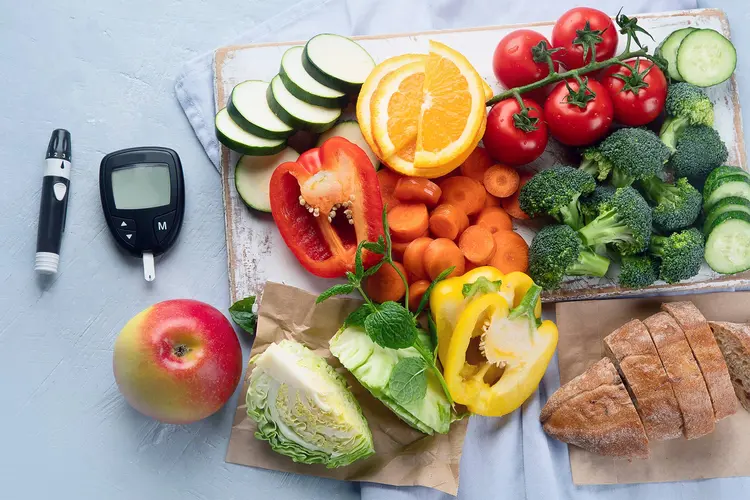
Fiber-Rich Vegetables and Whole Foods
Fiber slows digestion and reduces how quickly glucose enters the bloodstream. This gives medications time to work properly and prevents sharp spikes after meals.
Vegetables, legumes, and whole fruits (in appropriate portions) provide nutrients without overwhelming blood sugar. Over time, fiber-rich diets are linked to improved insulin sensitivity and better long-term control.
Whole Grains and Traditional Millets
Whole grains and millets digest slowly and provide sustained energy. Unlike refined grains, they help maintain steady glucose levels rather than causing rapid rises.
Traditional Indian grains like ragi, jowar, and bajra are particularly beneficial, offering fiber, minerals, and lower glycemic impact when eaten in balanced portions.
Adequate Protein Intake
Protein helps stabilize blood sugar, reduce hunger, and support muscle health, which plays a key role in glucose metabolism.
Including protein at every meal slows carbohydrate absorption and helps prevent post-meal sugar spikes, making medications more effective and predictable.
Healthy Fats in Moderation
Natural fats from whole foods support heart health and improve insulin response when consumed in controlled amounts. They also help with satiety, reducing overeating and unnecessary snacking. The focus should always be on quality and moderation rather than elimination.
Consistent Hydration
Dehydration can raise blood sugar levels and make medications less effective. Drinking enough water helps kidneys flush excess glucose and supports overall metabolic function.
The Bigger Picture: Diabetes in India
- India accounts for one in every ten Diabetes cases
- Average age of diagnosis is in the early 40s
- Lifestyle factors contribute to the majority of type 2 Diabetes cases
- Poor dietary patterns remain the leading modifiable risk factor
These numbers highlight a simple truth: food choices matter as much as medicine.
Frequently Asked Questions
1. Can food really affect Diabetes medication effectiveness?
Yes. Certain foods can spike blood sugar or increase insulin resistance, making medications less effective.
2. Is avoiding sugar enough to control Diabetes?
No. Refined carbs, unhealthy fats, and poor meal timing also affect blood sugar control.
3. Do whole grains help people on Diabetes medication?
Yes. Whole grains slow glucose absorption and improve insulin response.
4. Should meals be skipped to control sugar levels?
No. Skipping meals can cause dangerous fluctuations and disrupt medication timing.
5. Can better eating reduce Diabetes complications?
Absolutely. Consistent, balanced nutrition lowers the risk of heart, nerve, kidney, and eye complications.
Final Thought
Diabetes management is not about fear or perfection. Rather, it is about how food interacts with your body and your medication.
By opting for foods that help maintain stable blood sugar and avoiding those that cause it to rise and fall, you enable treatment to do its job. You gain control, energy and the feeling that life is more manageable.
At Diabetes Free Nation, we know that eating should not be about limitations, it’s all about the power.