A Simple, Practical Guide for Moms-to-be.
Learning that your blood sugar is high during pregnancy can be one of those shocking, scary moments that leaves you feeling honestly in a daze about the whole thing, especially when pregnant hormones and symptoms are already swirling, along with concerns for your growing child’s health.
But before you start sweating or just throwing in the towel, take a deep breath: An increase in blood sugar levels during pregnancy (a condition often referred to as gestational Diabetes) happens more frequently than you might expect and with the proper steps and support, it can be managed in a safe way.
In fact, nearly one in six pregnancies worldwide now is affected by high blood sugar levels, according to the World Health Organization, which works out to an estimated 21 million pregnancies a year.
In India, rates of gestational Diabetes are also high with some studies reporting the prevalence to be between 10% and 20% affecting pregnant mothers particularly in urban areas. The good news? Most women with gestational Diabetes go on to have healthy pregnancies and healthy babies with early action and proper care.
Let’s walk through what causes high sugar during pregnancy, why it matters, and most importantly, what you can do about it.
Why Sugar Levels Can Rise During Pregnancy
During pregnancy, your body goes through major hormonal changes. The placenta produces hormones like estrogen and human placental lactogen that can make cells less responsive to insulin, the hormone that helps sugar move from the bloodstream into your cells for energy. When your body can’t keep up by making more insulin, blood sugar rises.
This condition is known as gestational Diabetes and it usually develops around the 24th to 28th week of pregnancy.
Certain factors can increase your risk:
- Being overweight or having a high body mass index (BMI)
- A family history of type 2 Diabetes
- Previous gestational Diabetes in another pregnancy
- Older maternal age
- Polycystic ovary syndrome (PCOS)
- Sedentary lifestyle and refined diet patterns
Interestingly, research also shows that a significant portion of women with gestational Diabetes don’t have classical risk factors at all, meaning anyone can develop it.
Why High Sugar During Pregnancy Matters
You might feel fine, sometimes, elevated glucose causes no noticeable symptoms. But unmonitored high blood sugar can lead to short-term and long-term issues if not managed appropriately.
For the baby:
- Excessive birth weight (macrosomia), which can lead to delivery complications
- Higher chance of early (preterm) birth
- Low blood sugar right after birth
- Future risk of obesity and type 2 Diabetes
- Rarely, stillbirth if left untreated
For the mother:
- Elevated risk of high blood pressure and preeclampsia
- Increased likelihood of C-section delivery
- Higher chance of developing type 2 Diabetes later in life
But remember, gestational Diabetes doesn’t mean you’ll automatically face these problems. With early detection and good care, most women have healthy outcomes.
What to Do If Your Sugar Level Is High During Pregnancy
1. Get Regular and Accurate Testing
If your doctor finds high glucose on one test, they may recommend a glucose tolerance test (GTT) to confirm gestational Diabetes.
Once diagnosed, regular blood sugar checks, including fasting and post-meal readings, help track how well your diet, exercise, and any medications are working. This is crucial because gestational Diabetes can change quickly as the pregnancy progresses.
2. Work With Your Healthcare Team
Your pregnancy care team, including your obstetrician, endocrinologist, and possibly a Diabetes educator, becomes your support system. They will:
- Set individual blood sugar goals
- Advise you on monitoring schedules
- Recommend safe medications if needed
- Track fetal growth through ultrasounds
Early and regular care reduces risks and keeps both you and your baby safe throughout the pregnancy.
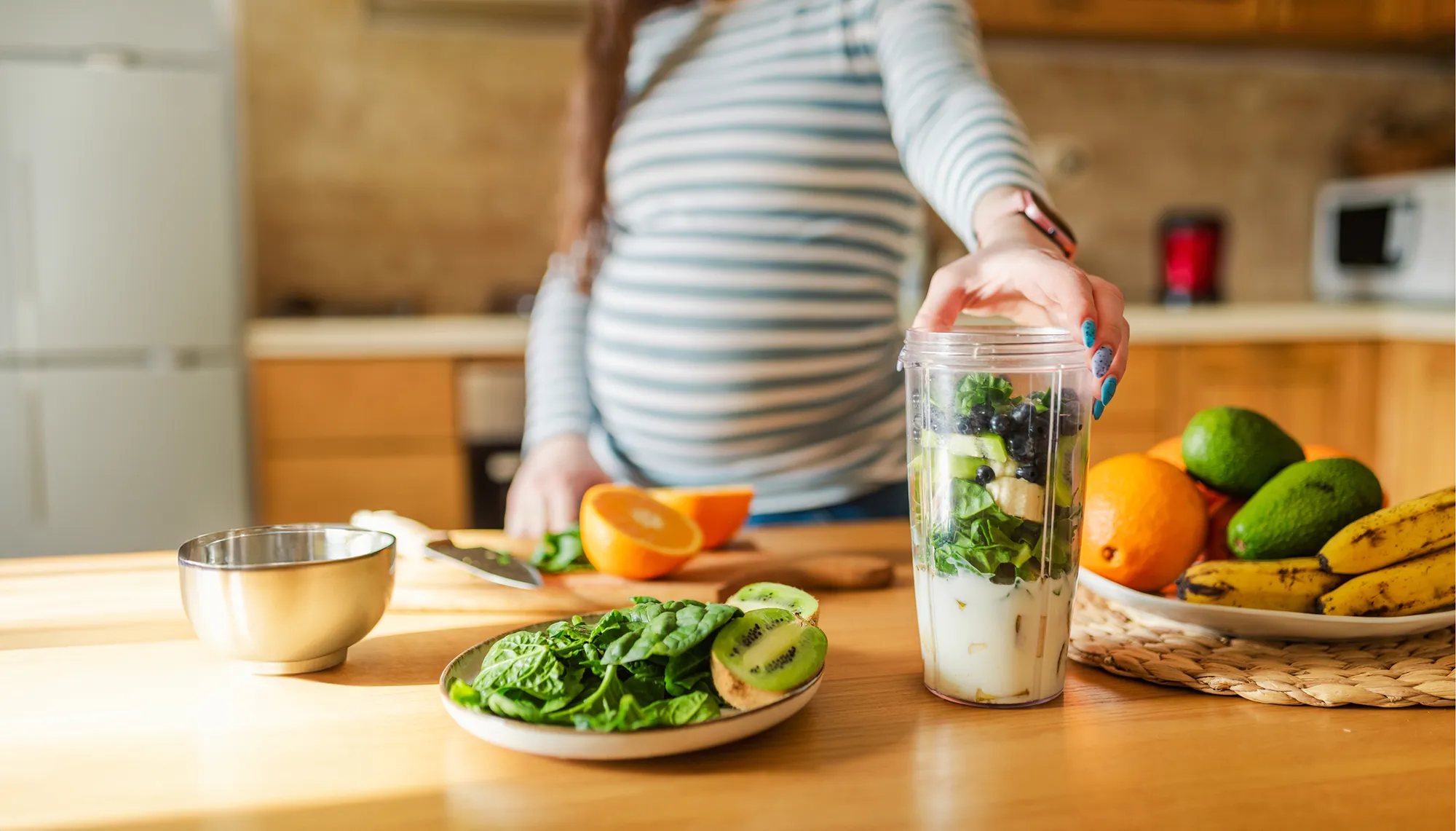
3. Focus on Nutrition That Supports Sugar Control
Nutrition is one of the most powerful tools you have.
Simple steps include:
- Eating balanced meals with complex carbohydrates, lean proteins, and fiber
- Avoiding foods high in refined sugar and refined carbs
- Choosing low-glycemic foods like whole grains, legumes, vegetables, and lean proteins
- Eating small and frequent meals rather than large ones
Consulting a registered dietitian can help design a meal plan that fits your cultural food habits while stabilizing your blood sugar.
4. Be Physically Active (Safely)
Moderate physical activity is beneficial for everyone and especially helpful in controlling blood sugar. Activities like Walking briskly, Prenatal yoga and Swimming can improve your body’s sensitivity to insulin and support glucose balance. Always check with your doctor first to ensure your chosen activity is safe for your stage of pregnancy.
5. Medication When Needed
Sometimes, diet and exercise are not enough. If lifestyle measures aren’t sufficient to keep glucose levels within target ranges, your doctor may recommend:
- Insulin injections, which are safe during pregnancy
- Sometimes medications like metformin, depending on your condition and healthcare provider’s recommendation
Never try to self-medicate or adjust doses on your own, always follow medical guidance.
6. Monitor Patterns, Not Just Numbers
Keeping a log of your meals, physical activity, and glucose readings can help you and your doctor spot patterns and tweak your care plan. Over time, this makes your management more personalized and more effective.
7. Don’t Skip Prenatal Appointments
Frequent check-ins help track both your sugar control and your baby’s growth. Your team can update your plan based on how your pregnancy is progressing, which is important because insulin needs can change over time.
Life After Pregnancy
Gestational Diabetes usually resolves after delivery, but it’s not the end of the story.
Women who had gestational Diabetes:
- Have a higher risk of type 2 Diabetes later in life.
- Are often advised to get a glucose test 6–12 weeks postpartum.
- Should continue healthy eating and regular exercise as lifelong habits to reduce future risk.
FAQs
1. Can high blood sugar during pregnancy harm my baby?
Yes, if uncontrolled, high sugar can increase the risk of complications like excessive birth weight and early delivery, but proper management greatly reduces these risks.
2. Will I need insulin if my sugar is high?
Not always. Many women control sugar with diet and exercise, but insulin or other safe medications might be recommended if needed.
3. Is gestational Diabetes a permanent condition?
Usually no; blood sugar returns to normal after delivery, though lifelong monitoring is important due to increased future risk.
4. How often should I check my sugar levels?
Your doctor will personalize this, but commonly fasting and post-meal checks are done daily to understand patterns.
5. Can lifestyle changes really make a difference?
Absolutely. Healthy eating and moderate exercise are proven to lower blood sugar and improve insulin sensitivity, supporting overall management.
Final Thoughts
High sugar during pregnancy is not a life sentence, it’s a signal that your body needs extra care, support, and attention. With the right lifestyle adjustments, monitoring, and medical guidance, you can keep your blood sugar in a healthy range and enjoy a positive pregnancy journey.
If you or someone you know is dealing with high sugar levels during pregnancy, remember: you’re not alone, and this is manageable. The key is early detection, consistent care, and a supportive health team by your side.